Claude Code के पहले 30 मिनट: सुरक्षित शुरुआती checklist
Claude Code शुरू करने की सुरक्षित 30 मिनट checklist: prompts, use cases, pitfalls, scripts और verification.
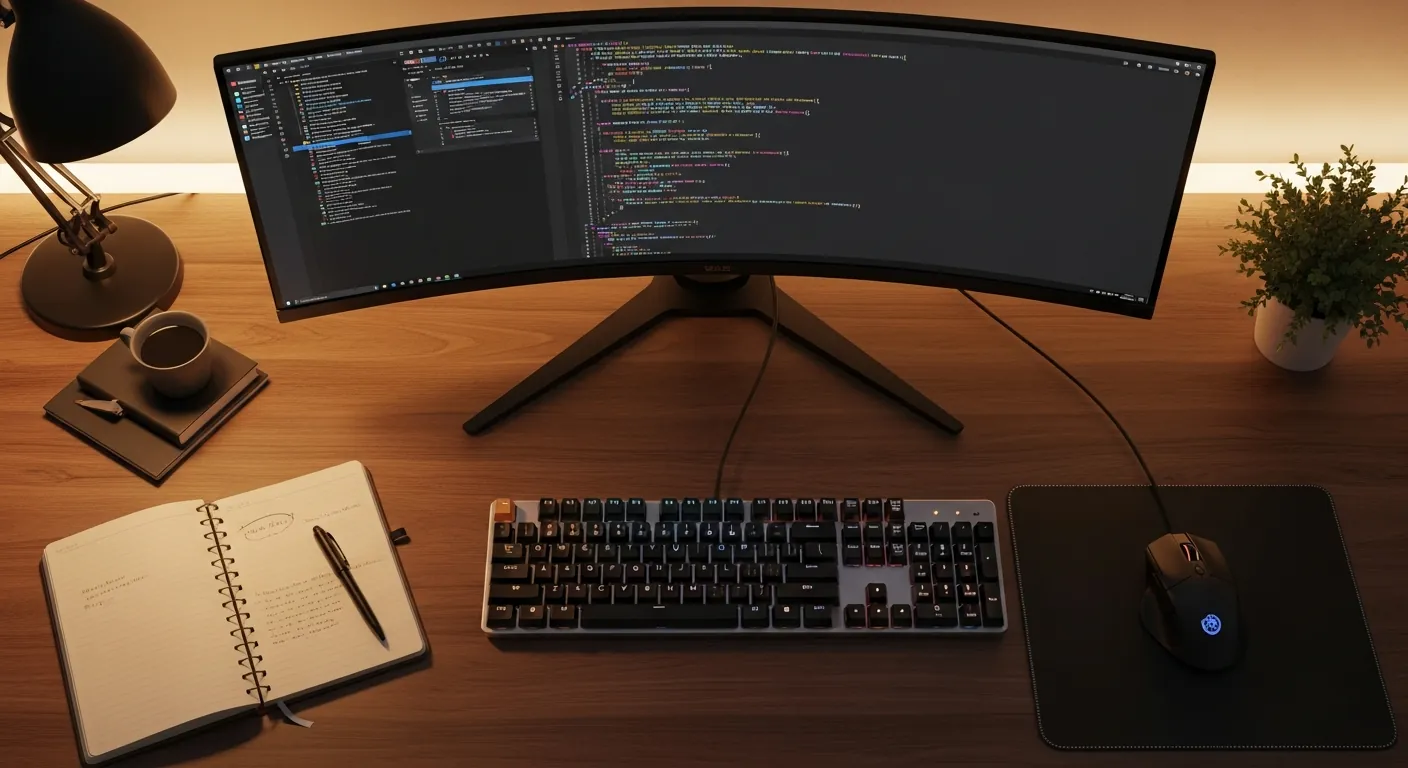
पहले 30 मिनट में बड़ा patch नहीं, भरोसेमंद workflow बनाएं
Claude Code की पहली session अक्सर इसलिए खराब होती है क्योंकि task बहुत बड़ा होता है। नया user बोलता है “पूरी feature बना दो”, “सारा code clean कर दो” या “पूरी homepage redesign कर दो”। 30 मिनट बाद diff बड़ा होता है और review करना मुश्किल हो जाता है। बेहतर लक्ष्य छोटा है: repository समझना, एक छोटी verified जीत पाना, proof लिखना और अगला छोटा step छोड़ना।
Official Claude Code overview बताता है कि Claude Code codebase पढ़ सकता है, files edit कर सकता है, commands चला सकता है और dev tools से जुड़ सकता है। इसलिए शुरुआत में boundary जरूरी है। कौन सी file पढ़नी है, क्या edit करना है, कौन सा command proof होगा, यह पहले तय करें।
यह checklist First Task Runbook, Repo Map First Pass, Session Handoff Template और Verification Receipt Workflow के साथ अच्छी तरह काम करती है। पहले 30 मिनट का pattern stable हो जाए तो bug triage, tests, article QA और team onboarding में इस्तेमाल करें।
शुरुआती concepts
Repository project folder है जिसमें code, tests, config, scripts और docs होते हैं। Agent वह helper है जो investigate, edit, command run और verification कर सकता है। Permissions safety rules हैं: Claude Code क्या पढ़ सकता है, क्या बदल सकता है और कौन से commands चला सकता है। Official permissions docs allow, ask, deny और approval modes समझाते हैं।
CLAUDE.md project guide है। इसमें coding rules, architecture notes, forbidden commands, build commands, test commands और review criteria लिखे जाते हैं। Official memory guide बताती है कि project instructions अगली sessions को कैसे consistent बनाते हैं।
Verification का मतलब repeatable proof है। यह npm run build, passing test, screenshot, log check या “क्या verify नहीं हुआ” वाली note हो सकती है। सिर्फ plausible diff काफी नहीं है। Edit से पहले proof command तय करें।
30 मिनट बाद क्या बचना चाहिए
| Output | क्या होगा | क्यों जरूरी है |
|---|---|---|
| Repo map | entry points, folders, commands, risky areas | बिना समझे edit नहीं होगा |
| Small win | diagnosis, link fix, test explanation या repro note | review आसान रहेगा |
| Verification note | commands, results, remaining risk | proof repeat हो सकेगा |
| Next step | अगला सबसे छोटा task | second session तेज होगी |
पहली session में बड़ा बदलाव जरूरी नहीं। जरूरी है कि understanding, editing और proof अलग-अलग रहें।
0 से 5 मिनट: implementation नहीं, context मांगें
पहला prompt read-only रखें। इससे पता चलता है कि Claude Code project समझ रहा है या नहीं।
Read this repository and tell me:
1. the main entry points
2. the commands I will probably need
3. the risky directories I should avoid first
4. the safest high-value first task for a 30-minute session

Do not edit files yet. Give me a short plan and the proof command you would run.
यह prompt entry points, commands, risky directories और पहला safe task निकलवाता है। Official common workflows भी explore, plan, implement और verify का flow दिखाते हैं। पहले 5 मिनट पढ़ने के लिए हैं।
5 से 20 मिनट: एक onboarding use case चुनें
Use case 1: failing test explain करना। Claude Code से पूछें कौन सा test fail हुआ, expected value क्या थी, actual value क्या आई और related file कौन सी लगती है। Fix बाद में करें।
Use case 2: छोटा content या CTA update। Monetized site में product link /products/ पर जा रहा है या नहीं, consultation link /training/ पर जा रहा है या नहीं, और copy reader को अगला action समझा रही है या नहीं, यह check करें।
Use case 3: vague bug को reproduction note बनाना। “Dashboard कभी-कभी टूटता है” useful task नहीं है। Environment, steps, expected result, actual result, logs और candidate files लिखवाएं।
Use case 4: minimal CLAUDE.md बनाना। पूरा handbook मत लिखें। Forbidden commands, build, tests, style और review evidence से शुरू करें। Shared config बनानी हो तो official settings docs देखें।
Copy-paste scripts
macOS, Linux या WSL पर repository root में यह script चलाएं। यह state पढ़ती है, files edit नहीं करती।
#!/usr/bin/env bash
set -euo pipefail

echo "== location =="
pwd

echo "== git status =="
git status --short

echo "== package scripts =="
if [ -f package.json ]; then
  node -e "const p=require('./package.json'); console.log(p.scripts || {})"
else
  echo "package.json not found"
fi

echo "== likely docs =="
find . -maxdepth 2 \( -name 'README*' -o -name 'CLAUDE.md' -o -name 'AGENTS.md' \) -print

echo "== recent changed files =="
git diff --name-only
Windows PowerShell के लिए यह version इस्तेमाल करें।
$ErrorActionPreference = "Stop"

Write-Host "== location =="
Get-Location

Write-Host "== git status =="
git status --short

Write-Host "== package scripts =="
if (Test-Path package.json) {
  node -e "const p=require('./package.json'); console.log(p.scripts || {})"
} else {
  Write-Host "package.json not found"
}

Write-Host "== likely docs =="
Get-ChildItem -Force -File -Include README*,CLAUDE.md,AGENTS.md -Recurse -Depth 2 |
  Select-Object -ExpandProperty FullName

Write-Host "== recent changed files =="
git diff --name-only
Handoff note के लिए इसे first-30-handoff.mjs नाम से save करें और node first-30-handoff.mjs चलाएं।
const handoff = {
  outcome: "Adjusted one CTA sentence and confirmed the product/training links stayed visible.",
  verified: ["git status --short", "npm run build"],
  notVerified: ["Mobile visual check"],
  nextStep: "Open the page locally and inspect the CTA area at 390px width.",
};

for (const [label, value] of Object.entries(handoff)) {
  const body = Array.isArray(value) ? value.map((item) => `- ${item}`).join("\n") : value;
  console.log(`## ${label}\n${body}\n`);
}
Permissions conservative रखें। यह valid JSON है; commands अपने project के हिसाब से बदलें।
{
  "permissions": {
    "allow": [
      "Bash(git status *)",
      "Bash(npm run build)",
      "Bash(npm test *)"
    ],
    "deny": [
      "Bash(git push *)",
      "Read(./.env)",
      "Read(./.env.*)"
    ]
  }
}
Avoid करने वाले pitfalls
Pitfall 1: “सब ठीक कर दो” कहना। Scope और success criteria दोनों missing हैं। इसे “एक failing test explain करो” या “एक CTA block update करके links verify करो” में बदलें।
Pitfall 2: normal working tree में बहुत broad permissions देना। Strong modes isolated environment में ठीक हो सकते हैं, लेकिन beginners को read-first, edit confirmation और secrets के लिए deny rules से शुरू करना चाहिए। Private data हो तो official security docs पढ़ें।
Pitfall 3: कोई proof command न चलाना। Good explanation verification नहीं है। पहले तय करें कि proof npm run build, tests, JSON parse, visual check या screenshot होगा।
Pitfall 4: handoff note न लिखना। क्या बदला, क्या verify हुआ, क्या बाकी है और next step क्या है, यह न लिखा तो अगली session फिर discovery से शुरू होगी।
Next step और monetization path
Solo practice के लिए free cheatsheet से safe prompts और proof commands याद करें। Reusable prompts, CLAUDE.md templates और review checklists चाहिए तो ClaudeCodeLab products देखें। Team को permissions, hooks, verification receipts और rollout training चाहिए तो Claude Code training and consultation से शुरू करें।
Real repository में आजमाने पर सबसे उपयोगी चीज script नहीं, बल्कि edit से पहले repo map मांगना और अंत में git status --short चलाना था। असल में आज़माने पर पता चला कि छोटा पहला task diff को भरोसेमंद बनाता है और दूसरी Claude Code session को बहुत साफ शुरुआत देता है।
संबंधित लेख

Claude Code first repo audit checklist: पहली edit से पहले codebase map करें
20 मिनट में scope, risk area, proof command और revenue CTA जांचने की beginner-friendly checklist.
Claude Code शुरुआती: रोज 15 मिनट की सुरक्षित सुबह की routine
Claude Code के शुरुआती हर सुबह 15 मिनट में repo जांच, एक छोटा काम और verification कैसे सुरक्षित तरीके से करें — copy-paste script के साथ।
Claude Code की कमांड याद कर लीं पर हाथ रुक जाता है? सुरक्षित पहला कदम उठाने का तरीका
कमांड चीटशीट रट ली पर समझ नहीं आता क्या कहें? सिर्फ़ पढ़ने पर न रुकें — पहला सुरक्षित बदलाव पास कराने तक के steps और prompt टेम्पलेट।
मुफ़्त PDF: Claude Code cheatsheet
Email डालें और commands, review habits तथा safe workflow वाली एक-page PDF पाएँ.
हम आपका data सुरक्षित रखते हैं और spam नहीं भेजते.

लेखक के बारे में
Masa
Claude Code workflow और team adoption पर काम करने वाला engineer.